
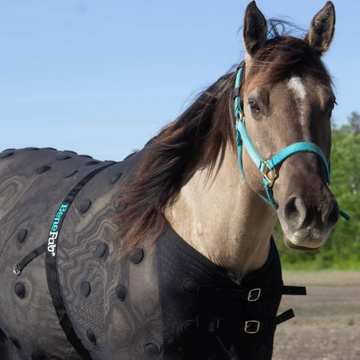



 Dehydration is a major challenge your horse will deal with if left unattended even for a day. Horses often get dehydrated during the hot summer season. They are like humans. They sweat to cool their bodies and moderate body temperatures. Sweat is composed of water and electrolytes such as potassium, calcium, and magnesium. Such electrolytes are critical elements in the body of your horse. Due to their large body size, they are prone to heat stroke and heat exhaustion. Therefore, it is vital to ensure that your horse is hydrated at all times. There are different ways you can tell whether your horse is dehydrated. Some of the telltale signs include;
• Dry gums and teeth
• Dull and sunken eyes
• Decreased appetite
• Inelastic skin (detectable through skin pinch test)
• Decline in alertness
• Reduction in the production of manure and
• Low moisture content in the manure
Dehydration is quite fatal to the health of your horse. Studies show that a horse requires about 5-10 gallons of water per day. The time it takes a horse to be dehydrated depend on many factors. Some of the factors include its diet, work, lactation, age, and pregnancy. Further studies show that there is a close link between the water intake and ambient temperature. In case temperatures are rising, your horse will need more water to remain hydrated and offset the lost water through sweating. Now you know how beneficial keeping your horse hydrated is. However, keeping your horse hydrated is more than just availing them clean water in a trough. Here are 3 ways to keep your horse hydrated.
Dehydration is a major challenge your horse will deal with if left unattended even for a day. Horses often get dehydrated during the hot summer season. They are like humans. They sweat to cool their bodies and moderate body temperatures. Sweat is composed of water and electrolytes such as potassium, calcium, and magnesium. Such electrolytes are critical elements in the body of your horse. Due to their large body size, they are prone to heat stroke and heat exhaustion. Therefore, it is vital to ensure that your horse is hydrated at all times. There are different ways you can tell whether your horse is dehydrated. Some of the telltale signs include;
• Dry gums and teeth
• Dull and sunken eyes
• Decreased appetite
• Inelastic skin (detectable through skin pinch test)
• Decline in alertness
• Reduction in the production of manure and
• Low moisture content in the manure
Dehydration is quite fatal to the health of your horse. Studies show that a horse requires about 5-10 gallons of water per day. The time it takes a horse to be dehydrated depend on many factors. Some of the factors include its diet, work, lactation, age, and pregnancy. Further studies show that there is a close link between the water intake and ambient temperature. In case temperatures are rising, your horse will need more water to remain hydrated and offset the lost water through sweating. Now you know how beneficial keeping your horse hydrated is. However, keeping your horse hydrated is more than just availing them clean water in a trough. Here are 3 ways to keep your horse hydrated.
Blog
3 Ways to Keep Your Horse Hydrated
 Dehydration is a major challenge your horse will deal with if left unattended even for a day. Horses often get dehydrated during the hot summer season. They are like humans. They sweat to cool their bodies and moderate body temperatures. Sweat is composed of water and electrolytes such as potassium, calcium, and magnesium. Such electrolytes are critical elements in the body of your horse. Due to their large body size, they are prone to heat stroke and heat exhaustion. Therefore, it is vital to ensure that your horse is hydrated at all times. There are different ways you can tell whether your horse is dehydrated. Some of the telltale signs include;
• Dry gums and teeth
• Dull and sunken eyes
• Decreased appetite
• Inelastic skin (detectable through skin pinch test)
• Decline in alertness
• Reduction in the production of manure and
• Low moisture content in the manure
Dehydration is quite fatal to the health of your horse. Studies show that a horse requires about 5-10 gallons of water per day. The time it takes a horse to be dehydrated depend on many factors. Some of the factors include its diet, work, lactation, age, and pregnancy. Further studies show that there is a close link between the water intake and ambient temperature. In case temperatures are rising, your horse will need more water to remain hydrated and offset the lost water through sweating. Now you know how beneficial keeping your horse hydrated is. However, keeping your horse hydrated is more than just availing them clean water in a trough. Here are 3 ways to keep your horse hydrated.
Dehydration is a major challenge your horse will deal with if left unattended even for a day. Horses often get dehydrated during the hot summer season. They are like humans. They sweat to cool their bodies and moderate body temperatures. Sweat is composed of water and electrolytes such as potassium, calcium, and magnesium. Such electrolytes are critical elements in the body of your horse. Due to their large body size, they are prone to heat stroke and heat exhaustion. Therefore, it is vital to ensure that your horse is hydrated at all times. There are different ways you can tell whether your horse is dehydrated. Some of the telltale signs include;
• Dry gums and teeth
• Dull and sunken eyes
• Decreased appetite
• Inelastic skin (detectable through skin pinch test)
• Decline in alertness
• Reduction in the production of manure and
• Low moisture content in the manure
Dehydration is quite fatal to the health of your horse. Studies show that a horse requires about 5-10 gallons of water per day. The time it takes a horse to be dehydrated depend on many factors. Some of the factors include its diet, work, lactation, age, and pregnancy. Further studies show that there is a close link between the water intake and ambient temperature. In case temperatures are rising, your horse will need more water to remain hydrated and offset the lost water through sweating. Now you know how beneficial keeping your horse hydrated is. However, keeping your horse hydrated is more than just availing them clean water in a trough. Here are 3 ways to keep your horse hydrated.
Related Articles

Dog Grooming 101
Regular grooming is about more than keeping your dog looking their best—it supports healthy skin,...
Read more
Preventing Colic While Traveling
Hauling your horse during warm weather can increase the risk of dehydration, heat stress, electrolyte...
Read more
Home Remedies for Canine Seborrhea and Flaky Skin
Seborrhea in dogs can cause flaky, greasy, itchy, or irritated skin and may be linked...
Read more
Kissing Spine 101
Back pain in horses can appear in ways that are easy to overlook, from resistance...
Read more


