

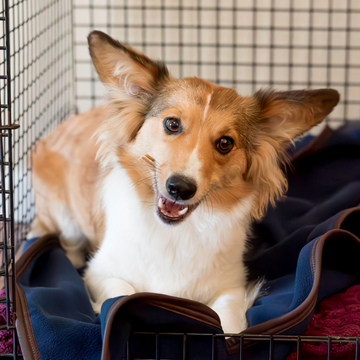



Humans are not the only ones who can experience a bit of wooziness during car rides. For dogs that are not used to riding in a car, the motion and vibrations can cause them to get car sick. There are usually two reasons for car sickness in dogs. Either motion sickness affecting balance or car-related anxiety caused by some fearful aspect of traveling in the car.

The motion of the car stimulates the area of the brain that is associated with vomiting. The reason for this is that the ear structures used for balance are not fully developed in puppies. Young dogs, especially, suffer from this, but most later outgrow the problem.
Recognizing the Symptoms
It's essential to identify when your dog is experiencing motion sickness. Common signs include:
-
Excessive drooling
-
Lip licking
-
Yawning
-
Whining or vocalizing
-
Pacing or restlessness
-
Vomiting
-
Panting
-
Wide eyes
-
Attempting to escape the vehicle
-
Soiling in the car
Steps for Reducing Canine Motion Sickness
1. Acclimate Slowly
The best way to prevent dog travel sickness is to make the car ride as comfortable as possible for your dog. You should always acclimate dogs slowly to car rides by making experiences concise and pleasant. While they are still young, drive with them around the block and end the ride with a special treat or favorite game so they associate the car with positive experiences.
2. Manage Anxiety
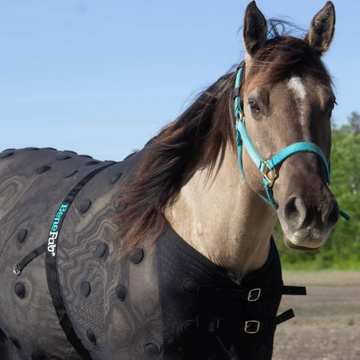
Creating a calm environment in the car can reduce anxiety. Keep the vehicle cool and quiet, and consider using calming aids to help reduce stress. If you have enough room, consider placing their bed in the car for added comfort. The Benefab Therapeutic Comfort Shirt can help soothe your pup during car rides.
It provides supportive compression for anxiety and comfort, but ALSO promotes blood circulation, which aids in reducing pain and stiffness—a DOUBLE WIN. Not only can anxious, aggressive, and excited dogs benefit from this product, but also elderly, athletic, and injured dogs. Material is breathable with wicking qualities and Comfortable to wear while resting or during activity.
3. Proper Restraint
Using a carrier, travel kennel, or safety harness can prevent excessive movement, which may reduce symptoms. Ensuring your dog is securely positioned can also enhance their comfort during the ride.
4. Be Careful with Food
Avoid feeding your dog a large meal immediately before travel. Some dogs travel better on an empty stomach, while others may benefit from a small meal. See how your dog responds to both to determine which works best for them.
5. Natural Remedies
There are several natural options to help alleviate canine motion sickness, in addition to the Benefab Comfort Shirt. Ginger is known for its anti-nausea properties and can be beneficial for some dogs. Consult your veterinarian before introducing any new supplements or remedies to ensure they are safe for your pet.
6. Talk to Your Vet
If none of these steps help with motion sickness, schedule an appointment with your veterinarian. They may recommend medications such as Cerenia® (maropitant), which is FDA-approved for preventing vomiting in dogs.


