
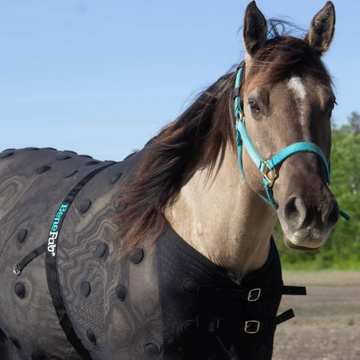





Winter weather brings many changes for horse owners, and hoof care is one aspect that often gets overlooked once temperatures drop. Colder temperatures usually mean less time riding and training, but that doesn’t mean hoof care can take a backseat. In fact, cold, wet, icy, and fluctuating conditions can create challenges that deserve a bit of extra attention to keep your horse comfortable and sound.
Why Winter Hoof Care Matters

Your horse’s hooves are remarkable structures, but winter conditions put them to the test. Snow, ice, and mud can build up in hoof grooves and around the frog, creating imbalance, strain, and slipping hazards, especially on concrete and asphalt. Frozen ground can be unforgiving, and repeated transitions from wet to dry environments can cause the hoof wall to expand and contract, increasing the risk of cracks and weakness.
Regular Farrier Visits Through the Cold Months
Hoof growth slows in cold weather, but it is still important to stick with a consistent farrier schedule throughout winter. Regular trims help maintain balance and prevent uneven wear, cracks, and breakage. Whether your horse wears shoes or goes barefoot, working with your farrier to decide what’s best for your horse this season can make a big difference. For some horses, snow pads or studs are useful additions. Other horses may do better with barefoot trimming.
Daily Hoof Care
Daily hoof picking is one of the easiest routines you can maintain in winter. Snow and ice can pack into the hoof, affecting balance. Packed mud and small rocks can also hide problems like bruises, cracks, or early signs of infection. Taking a moment each day to clean and inspect can help you catch issues before they develop into lameness or more serious hoof conditions.
Balancing moisture is a key part of winter care. Too much constant wetness from snow or mud can soften the hoof and weaken the wall, while overly dry conditions can make hooves brittle. Providing dry bedding and areas of firm, dry footing around the barn helps protect hooves. Some owners use hoof dressings or oils to help prevent excessive moisture from penetrating the hoof wall, but be careful not to overdo it.
Even with good daily care and regular trims, winter can bring hoof problems that need extra attention. Look for signs such as sensitivity when picking hooves, changes in gait or willingness to move, warm areas on the sole, or any discharge with an unusual smell. These can be early indicators of bruising, infection, or other hoof issues that deserve prompt attention.
Keep Hooves Healthy All Winter
Regular farrier visits and daily hoof cleaning and inspections can help your horse stay comfortable and safe all season long. Staying consistent with your routines during the winter months will pay off in the spring and reduce the chances of winter lameness.


