



If you're new to horseback riding, mastering the posting trot can seem daunting. However, you can become proficient in this fundamental skill with the right technique and practice. In this beginner's guide, we'll explore what posting is and how to do it correctly, offer tips and tricks for improvement, troubleshoot common problems, and answer frequently asked questions about how to learn to post on a horse.
The Ins and Outs of Posting
Posting, also known as the rising trot, is a riding technique where the rider moves their body rhythmically up and down with the horse's trotting motion. This helps the rider stay balanced and comfortable while riding.
Why is Posting Important in Horse Riding?

Posting is a fundamental skill in horseback riding and is crucial in maintaining balance, comfort, and harmony with the horse's movement. It allows riders to stay in sync with their horse's trot, minimizing the impact on both rider and horse. But is posting easier on a horse?
Posting can be easier on a horse than sitting the trot. When posting, riders rise and fall with the horse's motion rather than absorbing it entirely through the seat. This rhythmic movement helps distribute the rider's weight more evenly and reduces the strain on the horse's back. Additionally, posting allows riders to stay light in the saddle, facilitating clearer communication with the horse and enabling smoother transitions.
Correct Posting Technique
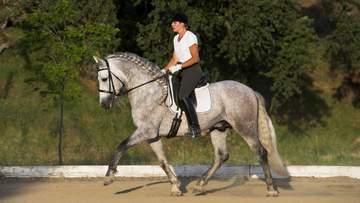
To post correctly, sit deep in the saddle as the horse trots. As the horse's outside shoulder moves forward, rise out of the saddle by pushing down on your stirrups with your legs. Your rise should be smooth and controlled, maintaining a light seat to avoid bouncing or jarring the horse's back. Remember to keep your hands steady and in position throughout the posting motion.
Posting Diagonal
One essential aspect of posting is maintaining the correct diagonal. This refers to when you rise out of the saddle as the horse's outside shoulder moves forward. To ensure you're posting on the correct diagonal, watch the horse's shoulder movement and rise when the outside shoulder moves forward.
Tips and Tricks for the Posting Trot
Practice Hands-Free on a Lunge Line
Try practicing hands-free on a lunge line to improve your balance and rhythm while posting. This allows you to focus solely on your body position and the horse's movement without worrying about controlling the reins.
“Up, Down” Mantra
A helpful mnemonic for maintaining the posting rhythm is to say "up, down" with each rise and fall. This can help synchronize your movements with the horse's trot and reinforce the correct timing of your posting.
Troubleshooting Common Posting Issues
Heavy Seat
One common mistake beginners make while posting is sitting too heavily in the saddle. To correct this, focus on keeping your weight centered over your hips and heels, allowing your legs to absorb the horse's movement.
Leg Positioning
Ensure your legs are positioned correctly and support your balance while posting. Keep your heels down and legs relaxed, with light contact on the horse's sides to encourage forward movement.
Keep Your Eyes Up
Maintain a forward gaze and steady arms while posting to keep your upper body balanced and aligned with the horse's motion. Avoid looking down or letting your arms swing, as this can disrupt your rhythm and balance.
In conclusion, mastering the art of posting on a horse takes time, patience, and practice. Understanding the technique, implementing helpful tips and tricks, and troubleshooting common problems can enhance your riding experience and build a strong foundation for further skill development in the saddle. So, saddle up, practice your posting, and enjoy the ride!


