🚚 Unlock Free Shipping over $100. Only in US.
1-855-957-8378
Benefab®
Cart 0
  • Home
  • Shop

    Horse Products 15

    People Products 6

    Dog Products 4

    Bundles 1

  • Press
  • Blog
  • Pre-Loved
  • Dealers
  • Wishlist
  • Account
My Account
Log in Register
Australia (AUD $)
Belgium (EUR €)
Canada (CAD $)
Costa Rica (CRC ₡)
Czechia (CZK Kč)
France (EUR €)
Germany (EUR €)
Italy (EUR €)
Japan (JPY ¥)
New Zealand (NZD $)
United Kingdom (GBP £)
United States (USD $)
English
Benefab®
  • Shop

    Horse Products 15

    People Products 6

    Dog Products 4

    Bundles 1

  • Press
  • Blog
  • Pre-Loved
  • Dealers
Account Wishlist Cart 0

Search our store

Benefab®
Account Wishlist Cart 0
Home / Blog
Blog

The Gypsy Vanner Breed

Jul 20, 2019
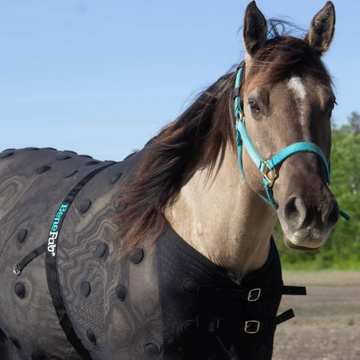
The Gypsy Cob, also known as The Irish Cob, Gypsy Horse, or Gypsy Vanner, is a type of domestic horse. They were first bred by the Romanichal’s (Gypsies) of Great Britain. This horse was selectively bred for over half a century from a vision to create the perfect horse to pull the Gypsy caravan. It is a small, solidly built horse of Cob confirmation and is often, but not always piebald, or skewbald. These horses are a great blend of the Shire, Clydesdale, Friesian, and Dales pony horses. They are known to have great strengths on their own.

Characteristics:

Gypsy Vanner excels as a family horse because of its exceptionally gentle nature. The horse may have been bred originally for their abilities to work and their look. The other part was to breed in a temperament of willingness and tranquility. They are suitable for novice horse people and children. Gypsies should be sensible horses, with very little of the "fight or flight" reaction seen in other breeds. A gypsy horse should work well with his handler, and it usually easy to train. They range from 14 to 16 hands, any color is acceptable, but most of them are have pinto patterns. The first characteristic often noticed is the abundance of feather flowing from behind the knees and hocks. Also the long free flowing mane and tail. They didn’t make their way to America until 1996. The first studbook for Gypsy Vanner was not established until 1996. The first known Gypsy Horses to come to America arrived in 1996, imported by Dennis and Cindy Thompson. They created the Gypsy Vanner name and started a breed society. In the United States, the Gypsy Horse is used in many equestrian sports, by amateurs and youths. In 2004, the United States Dressage Federation accepted the Gypsy Vanner Horse Society as an affiliate member, allowing horses registered with GVHS to compete in its dressage and dressage-related events. The Gypsy Horse Association was accepted into the USDF program in 2008; two other colored horse associations had joined by 2011. Since gypsy horses were originally bred to pull Romany wagons, they make fine driving horses. They also make good pleasure and trail mounts. Because of their tractable disposition, they serve well as therapeutic riding horses. The Gypsies of Ireland and the United Kingdom were dedicated to carefully developing the perfect caravan horse with lots of feather and color. It is because of them, that we call get to enjoy this stunning creature today.
Previous
Canine Allergies: Causes, Signs, and Relief for Your Dog
Next
The Healing Power of Raw Honey for Dogs

Related Articles

Bad Breath in Dogs: Simple Home Remedies for Fresher Breath
July 20, 2026

Bad Breath in Dogs: Simple Home Remedies for Fresher Breath

Does your dog have bad breath? Discover natural ways to freshen their breath, improve oral...
Read more
Sleep Deprivation in Horses
July 13, 2026

Sleep Deprivation in Horses

Horses need REM sleep for recovery, health, and performance—but they can only achieve it while...
Read more
Does My Horse Need a Salt Block?
July 06, 2026

Does My Horse Need a Salt Block?

Salt is much more than a simple treat for horses—it's an essential nutrient that supports...
Read more
Horse Body Conditioning Score
June 29, 2026

Horse Body Conditioning Score

A horse’s Body Condition Score (BCS) is a simple tool used to assess body fat...
Read more

Recent Posts

Bad Breath in Dogs: Simple Home Remedies for Fresher Breath
Sleep Deprivation in Horses
Does My Horse Need a Salt Block?
Horse Body Conditioning Score
How to Get That Show-Ready Shine: Skin and Coat Care Tips
Dogs + Fireworks: Keeping Them Safe
Runny Nose or Something More? How To Tell What’s Normal For Your Horse
Five Pre-Ride Stretches For You
Show Cattle Vaccinations: What’s Needed and When
Springtime Fecal Egg Counts

BRAND PARTNERS

  • Become a Dealer
  • Become an Affiliate
  • Become a Registered Nonprofit
  • Logins for Dealer
  • Logins for Affiliate
  • Affiliate Resources
  • Meet our Ambassadors

CUSTOMER SERVICE

  • Contact
  • Shipping
  • Privacy Policy
  • Terms of Service
  • Money Back Guarantee
  • Warranty & Return Policy
  • Medical / Brand Disclaimer
  • FAQs

ABOUT BENEFAB

  • Why Choose Benefab?
  • The Benefab Story
  • Parables Podcast
  • Our Sister Brands
  • Media Inquiries
  • Blog
© 2013 -2025 Benefab®. Property of the Naar Boven Corporation. All rights reserved.
Payment options:
  • American Express
  • Apple Pay
  • Bancontact
  • Diners Club
  • Discover
  • Google Pay
  • Mastercard
  • PayPal
  • Shop Pay
  • Visa

Confirm your age

Are you 18 years old or older?

Come back when you're older

Sorry, the content of this store can't be seen by a younger audience. Come back when you're older.