




Whether you ride for pleasure or professionally, there's no question that you ask a lot of your horse. Often, we find ourselves with horses favoring their backsides, unwilling to bring their hind legs up as they usually do, or taking slightly more stabbing steps.
You know what it's like; we've all encountered a horse with a hock pain before. Hock pain can make lead changes, jumps, and even everyday riding more difficult for your horse, particularly as they warm up.
What Is Hock Pain?
Your horse's hocks are a pivotal part of their hind-end movement, and because of the anatomy of the joint - several small bones stacked horizontally on top of one another, with minimal layers of cartilage between - degradation of the joint is sadly, very common. Because these joints handle so much movement and impact, they’re prone to wear and inflammation.
Common Causes
Several things can contribute to hock pain in horses. Degenerative joint disease, or arthritis, is one of the most common forms, caused by daily wear and repetitive strain that leads to joint deterioration, especially in older or hard-working horses. Poor conformation can also play a role, as horses that are straight-legged or cow-hocked tend to place uneven stress on their hocks.
Overuse and footing problems, such as frequent jumping, tight turns, or working on hard ground, increase impact and pressure on the joints. Even improper shoeing or trimming can shift balance and alter how the hock loads, worsening existing discomfort.
What to Watch For
Hock pain may be hard to see in the early stages, often showing up as small changes in how your horse moves or behaves. You might notice shorter strides, less drive from behind, or resistance when asking for transitions or collection. Some horses struggle going downhill or shift their weight unevenly between their hind legs when standing.
After being ridden, you may see swelling or warmth around the hocks. Even if your horse doesn’t appear obviously lame, these signs often point to the beginning of joint discomfort.
Diagnosing and Treating Hock Pain

If you notice these signs, start with a veterinary exam. Your vet can perform flexion tests, observe movement, and use imaging to pinpoint the problem. Treatment may include joint injections, anti-inflammatory therapy, or adjustments to your horse’s workload. Rest, proper conditioning, and regular farrier care all make a big difference.
Pay attention to shoeing details, as small changes in hoof angles can increase or reduce strain. Supplements that support joint health, like glucosamine or MSM, may also help long-term comfort.
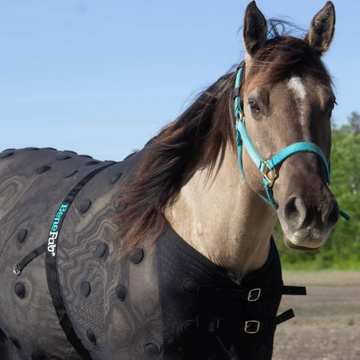
The Benefab Therapeutic Hock Boot is designed with your horse's comfort in mind. It is made from a fabric composed of ceramic nanoparticles, which, like all our products, emit far-infrared rays. These rays work with your horse's natural healing processes to keep joints, tendons, and ligaments surrounding the hock joint supple and relaxed.
Preventing Future Flare-Ups
The best way to manage hock pain is through prevention and consistency. Begin every ride with a slow warm-up and take time to cool down afterward. Keep your horse at a healthy weight to reduce strain on the joints. Work on forgiving footing whenever possible and avoid too much time on hard ground. Regular farrier appointments help maintain correct angles and support proper joint alignment.


