

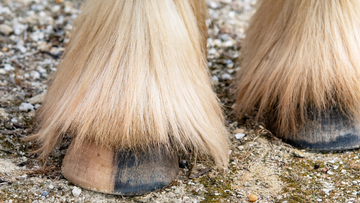
The fetlock is a hinge-like joint that connects the cannon bone and pastern in horses. It’s a crucial joint for horses’ mobility and performance. Unfortunately, this important joint is susceptible to various injuries that can range from mild to severe. Horse owners and caretakers must be vigilant in recognizing signs of fetlock injuries early on, as this can significantly impact the horse's overall health and long-term athletic abilities.
Symptoms of Fetlock Injuries
Lameness is a key indicator of fetlock injuries that is hard to miss. However, it's essential to pay attention to subtle signs as well. In addition to obvious lameness, here are some things to look for in a horse that you may suspect has a fetlock injury:
- Swelling around the joint
- An increase in localized heat around the area
- Reluctance to put weight on the affected limb
- Changes in gait or movement patterns, such as shortened strides or an uneven rhythm.
By closely observing these symptoms, you can promptly seek veterinary attention for an accurate diagnosis.
Diagnosis
A veterinarian will conduct a thorough examination when a fetlock injury is suspected. This typically involves palpating the affected joint, assessing the horse's movement, and utilizing diagnostic tools like X-rays or ultrasounds. These imaging studies help determine the extent of the injury. They can inform vets whether it involves ligaments, tendons, or the joint capsule. An accurate diagnosis is important as it helps determine an effective treatment plan tailored to the specific nature of the injury.
Common Causes of Fetlock Injuries
 It’s essential to understand the causes of fetlock injuries to help prevent them and provide effective treatment. Traumatic incidents, such as slips, missteps, or collisions, are the most common causes of acute injuries like this. However, repetitive strain from overexertion, improper training practices, or pre-existing musculoskeletal issues can contribute to chronic problems. Identifying the cause of the injury helps inform short-term and long-term management strategies.
Treatment Options
Treatment plans for fetlock injuries vary based on the severity of the injury. In addition to rest, which allows the horse's body to initiate natural healing processes, veterinarians may prescribe anti-inflammatory medications to manage pain and reduce swelling. Cold therapy, such as icing the affected area, can also be beneficial in the early stages. Supportive measures like bandaging or splinting may also be recommended to stabilize the joint during the initial recovery phases. Remember, with any suspected fetlock injury, consulting with your veterinarian is the first step.
Rehabilitation and Exercise
Rehabilitation is a crucial phase post-treatment. Gradual reintroduction of controlled exercise is essential to rebuild strength and flexibility. Your vet may provide specific exercises or recommend specific therapies tailored to your individual horse's needs. The rehabilitation process for a fetlock injury can be long and slow, requiring a lot of patience and consistency.
Fetlock Injury Prevention
Preventing fetlock injuries is possible with a holistic approach to horse care. Proper horse management practices, such as maintaining suitable footing in riding arenas and ensuring a balanced exercise regimen, are huge parts of equine joint health. Regular vet check-ups are also important for detecting underlying issues that may lead to injury early. Implementing these preventive measures fosters the overall well-being and longevity of the horse.
Fetlock injuries often demand a comprehensive approach from horse owners. Recognizing symptoms, getting an accurate diagnosis, and tailoring a recovery plan is critical to ensure long-term health and injury recovery. By understanding the causes of these injuries and implementing preventive measures, you can contribute significantly to your four-legged companion's overall soundness and happiness!