


Most riders take the time to warm up their horse but often forget to warm themselves up. Over time, that can lead to stiffness, poor position, and even injury.
Stretching is a simple way to keep your body healthy and ready to move. It helps loosen tight muscles, improve flexibility, and increase blood flow. When your muscles are more flexible, your body can move more easily and with better control. This is especially important for riding, where balance, posture, and smooth movement all matter.
Many riders notice tight hips or lower back discomfort after long days in the saddle or riding multiple horses. Taking just a few minutes to stretch before you get on can make a noticeable difference in how comfortable and effective you feel while riding. You don’t need to be extremely flexible, just focus on what feels good and move at your own pace.
Before you stretch, make sure your muscles are warmed up. Cold muscles are more prone to strain, so take a few minutes to walk around, lightly jog, or dance to a few songs. Once you feel warm, you can begin stretching. Hold each stretch for about 10–15 seconds, then relax. Pro-tip: avoid bouncing, as this can cause small injuries and make your muscles tighter over time.
Key areas to focus on include your core, hips, hamstrings, glutes, calves, shoulders, and chest. These muscles all play an important role in helping you keep good posture and stay balanced in the saddle. Your core helps you stay steady and centered, while your hips allow you to move with your horse instead of against them. Flexible hamstrings and calves help keep your legs long and relaxed—which is important for maintaining a secure position. Your glutes support your seat and overall stability, and your shoulders and chest help you sit tall without becoming stiff or tense. When these areas are loose and working well together, it’s much easier to give clear, effective aids and communicate with your horse.
Here are five simple stretches you can do before riding:
-
Quad Stretch: Start by kneeling on one knee, similar to a proposal position. Keep your upper body tall and gently push your hips forward. You should feel a stretch along the front of your hip and thigh. This stretch is especially helpful for maintaining proper leg position and reducing tightness that can interfere with cues.
-
Lying Roll Over Stretch: Lie on your back with your knees bent and feet flat on the ground. Slowly allow your knees to fall to one side while keeping your shoulders relaxed and arms extended out to the sides. This movement encourages spinal mobility and helps loosen the lower back and hips, which are essential for following your horse’s motion.
-
Achilles Stretch: Stand upright and place the ball of one foot on a step or raised surface. Slowly bend your knee and lean forward slightly. You’ll feel a stretch through your calf and Achilles tendon. Flexible ankles are important for maintaining a deep heel and a stable lower leg.
-
Lower Back Stretch: Lie flat on your back and gently pull your knees toward your chest, wrapping your arms around them. Hold this position and breathe deeply. This stretch helps release tension in the lower back, an area that often becomes tight from riding or daily activities.
-
Hamstring Stretch: Position yourself lying on your back in a doorway. Extend one leg up against the wall while keeping the other leg flat on the ground through the doorway. Slowly move closer to the wall until you feel a gentle stretch along the back of your raised leg. Hamstring flexibility plays a big role in maintaining proper posture and allowing your seat to move fluidly with the horse.
These five stretches are simple, effective, and accessible for riders of all levels. By taking just a few minutes before each ride to prepare your body, you set yourself up for better communication with your horse, improved comfort in the saddle, and reduced risk of injury over time.
Consistency is key—make stretching a habit, and you’ll likely notice not only improvements in your riding, but also in your overall well-being. Over time, these small efforts add up and can make a noticeable difference in both your riding and your overall health.
Quick Pre-Ride Checklist
-
Take 5-7 minutes to walk and warm up your body.
-
Focus on areas that feel tight.
-
Hold each stretch for 10-15 seconds. Relax. Stretch again. Repeat 2-3 times per stretch.
-
Breathe steadily.
-
Avoid bouncing or forcing a stretch.
-
Pay attention to any pain or discomfort.
-
Drink lots of water to stay hydrated!
While stretching helps prepare your body before you ride, recovery afterward is just as important, especially for riders who deal with ongoing stiffness, soreness, or muscle fatigue.
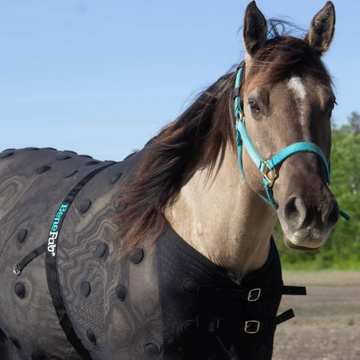
The Benefab® Therapeutic Blanket is designed to support muscle comfort and recovery using far-infrared technology. This therapy works by helping to increase circulation and blood flow, which supports the body’s natural recovery process and helps muscles feel loose and more relaxed.
It may also help reduce inflammation and ease muscle tension, which is especially beneficial for riders after long days in the saddle or physically demanding barn work. By helping to keep joints, tendons, and ligaments loose, supple, and relaxed, the Blanket can be a helpful addition to a rider’s recovery routine alongside stretching and proper rest. Check it out along with our other therapy products here.