


As horse owners, we know the importance of our horse’s legs. We try to prevent injuries and protect their legs as much as possible because the old statement, “no hoof, no horse,” applies to legs too. This guide discusses the best ways to help maintain your horse’s legs.
Why Care For Your Horse’s Legs?
Horses’ legs keep them moving, active, and healthy. Horses were never meant to be sedentary. As grazing animals, they naturally move around all day. But this is not the only reason leg care is essential. Proper horse leg care keeps your equine athlete comfortable, sound, and performing to the best of their ability.
What Does it Mean When a Horse is Lame?
 Lameness is a vague term that describes any change in a horse’s gait. Lameness is the result of pain somewhere in the limb. Abscesses, sprains, muscle soreness, illnesses, or injury can cause this pain. Most horse owners think of limping horses when they think lame, but this term encompasses even the most subtle change in gait.
Some lamenesses resolve with rest and pain relief, while others need extensive diagnosis and treatment. Because many things can cause lameness, an equine veterinarian needs to consider anatomy, conformation, biomechanics, potential underlying illnesses, and appropriate medications.
How does Lameness Affect Performance?
Lameness affects horses of all kinds and levels. A pasture pony can suffer from lameness, like a performance horse, and range from subtle to chronic severe pain. Subtle lamenesses are harder to notice and diagnose. Some early symptoms include reluctance to turn, not pushing off each leg evenly, refusing to walk, different stride lengths, and lethargy.
How to Prevent Lameness in Horses?
Proper leg care before, during, and after exercising your horse is one of the best ways to prevent lameness. We’ve covered some of the best methods for equine leg care below:
Warm Up
Correctly warming up your horse before exercise is essential to prevent lameness. During warm-up, the horse’s blood starts flowing to its muscles, increasing flexibility and preparing them for work. Start your warm-up with a slow walk on a loose rein, followed by a slow trot for about 10-15 minutes in each direction.
Cool Down
Just like a warm-up, cooling down transitions your horse out of work. Their heart and respiratory rate slow down as you do a slow walk for about ten minutes. This also cools down their body temperature, which is even more critical when outdoor temperatures are cold.
Boots and Bandages
Boots and bandages protect horses' legs from hitting each other and other objects like jump rails, brush, and logs. Shipping boots and standing bandages are slightly different in providing protection and support while standing or traveling instead of during work. During training, your horse can wear polo wraps, splint boots, bell boots, or medicine boots.
Check our guide to horse leg protection for more information on each of these boots!
Cold Therapy
Many horse owners use cold therapy to manage recent injuries, but it can also be used to manage old injuries and prevent new ones. Cold therapy can be as simple as running cold water on your horse’s legs to reduce inflammation. Applying within 24-48 hours of an injury reduces blood flow and minimizes further damage.
Routine cold-hosing after exercise can reduce the slight inflammation that naturally occurs after hard work. This prevents new problems from developing. Regular cold therapy is helpful for pleasure horses and performance horses.
Far Infrared Therapy
 Far Infrared therapy is a natural, non-invasive method to increase blood circulation and reduce inflammation. Our Therapeutic Smart QuickWraps emit far-infrared rays keeping muscles, tendons, and ligaments warm and relaxed. These easy-to-apply wraps also stimulate recovery time and reduce pain and stiffness.
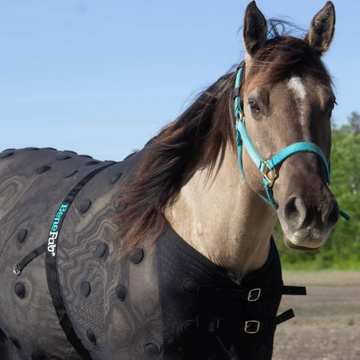
QuickWraps not for you? The Benefab horse line offers high-quality wearable therapeutic products designed to improve performance, prevent injuries, and enhance healing with far-infrared fabrics.