




We know how deeply you care about your dog. When they start moving more slowly, or their back seems stiff, it can be heartbreaking. One condition that affects many senior dogs is spondylosis. While the name might sound serious, many dogs still live comfortably, especially when owners understand what it is and how to help.
What Is Spondylosis?
Spondylosis, or spondylosis deformans, is a naturally occurring, age-related change in your dog’s spine. Over time, tiny bony growths called osteophytes form along the edges of the vertebrae.
These growths are the body’s way of trying to stabilize joints that gradually lose their flexibility. In some cases, they even bridge between vertebrae. The result is often just a stiff spine, but in other cases, these bony spurs can cause discomfort and reduced movement.
Why Do Dogs Develop It?

Aging is the most common factor. As the spine loses some of its cushioning over the years, instability can develop. To try to help with this instability, the body starts building bony growths. Genetics and breed can also play a role. Some breeds, such as Dachshunds, seem more prone to spondylosis than others. Past injuries, repetitive strain, or prior spinal issues can accelerate those changes, too.
What to Watch for
Spondylosis does not always have obvious symptoms. Many dogs don’t show any signs, and the condition is only discovered when they have spine X-rays for a different reason. If symptoms are showing, these are the most common:
-
Stiffness in the back, especially after laying down
-
Less flexibility and reluctance to jump
-
Sensitivity when you touch their spine
-
Challenges with standing up, lying down, or walking up stairs
Diagnosing the Condition
If you think your dog may have spondylosis, working with your veterinarian is the first step. Your vet will begin with a physical and neurological exam, checking for pain, posture changes, and movement. To confirm, X-rays are usually taken. These images can easily reveal the bone spurs. Occasionally, an MRI is recommended to see if the bone spurs are pressing on nerves.
How Can You Help?
Spondylosis cannot be reversed, but many dogs do very well with consistent care that focuses on easing symptoms, preserving mobility, and keeping them comfortable. Treatment may include veterinarian-guided pain medication, gentle low-impact exercise or physical therapy to maintain strength and flexibility, and holistic options such as acupuncture, massage, or chiropractic care when appropriate.
Keeping your dog at a healthy weight helps reduce strain on the spine, and simple lifestyle adjustments like providing supportive bedding, using ramps, and avoiding high-impact activities can make daily life much easier for your pet.
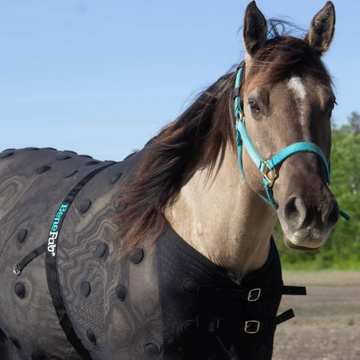
To assist with your dog's pain management, the Benefab® Canine Comfort Shirt fabric emits far-infrared rays, keeping muscles, joints, tendons, and ligaments supple and relaxed. The shirt provides supportive compression for anxiety and comfort.
It helps harmonize bodily functions safely and naturally stimulates recovery time, promoting blood circulation, increasing oxygen flow, and ultimately reducing pain and stiffness. The material is also breathable and wicks moisture. Keep your dog comfortable and on the right track with our line of canine therapeutic products.
What to Expect over Time
For many dogs with spondylosis, the outlook is very good. With consistent care, most can continue enjoying a comfortable, active life. The condition often progresses slowly, and flare-ups may be managed with the right routine. Regular veterinary check-ups help you and your vet monitor changes and adjust your care plan as needed.


