


Does your horse suffer from cellulitis? Cellulitis is a relatively common and frustrating condition affecting a horse’s legs. The condition occurs when the subcutaneous tissues beneath the skin become inflamed and infected. Cellulitis can be challenging for horse owners to treat. We know how frustrating it can be and have covered what causes cellulitis, how to treat it, and how to prevent cellulitis in the future.
What Causes Cellulitis in Horses?
Cellulitis can occur randomly or after surgery, joint injections, wounds, or trauma. Bacteria enter into deeper tissues and lead to infection—edema forms when the bacteria and toxins trigger an inflammatory response in the body. The edema leads to blood and lymph vessels becoming leaky and fluid building up in the subcutaneous tissue. For most horses, cellulitis occurs in one leg at a time. It is most common in the hind legs.
Sympoms & Diagnosis
 How do you know when your horse has cellulitis? Cellulitis presents with lameness, prominent swelling, pink, inflamed skin, hot to touch, pitting edema, and pain. Most horse owners note the lameness and swelling happen rapidly. Many horses won’t bear weight on the swollen leg and can develop a fever, lethargy, and lack of appetite.
If your horse has these symptoms, it is imperative to get your veterinarian involved. Prompt diagnosis and treatment are critical for a successful recovery. Your veterinarian will rule out other causes of swelling and lameness. Ultrasounds are an excellent diagnostic tool to diagnose cellulitis as they can show the subcutaneous tissues and highlight edema. Bloodwork often shows elevated fibrinogen levels and changes in white blood cell counts.
Treatment & Recovery
Two focus areas for treating cellulitis in horses are eliminating the infection and supportive care to decrease swelling.
Dealing with the InfectionOnce your veterinarian has confirmed a cellulitis diagnosis, they will prescribe broad-spectrum antibiotics to treat the underlying infection. NSAIDs can also be used to help reduce inflammation and control pain. Follow your veterinarian's guidelines on treatment duration and dosage. You must continue with the antibiotics for the entire time, even if you see improvement in your horse early in the treatment.
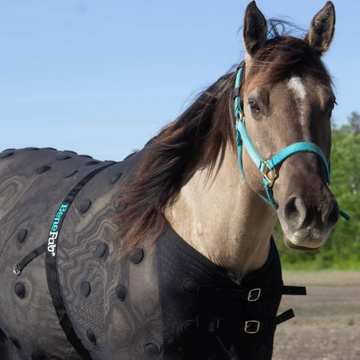
Protocols & TherapiesThe second element of cellulitis treatment is supportive care to decrease the swollen leg. Cellulitis often responds well to hydrotherapy. Cold hosing, therapeutic bandaging, sweat wraps, and hand-walking can be used in combination to reduce the swelling of the leg. Benefab’s Therapeutic VersiWrap helps harmonize bodily functions, naturally stimulating recovery time, promoting blood circulation, increasing oxygen flow, and reducing pain and stiffness.
Frequently Asked Questions about Cellulitis
Is cellulitis the same as stocking up?
Cellulitis is not the same as stocking up. Stocking up is a benign swelling in your horse’s lower legs due to decreased circulation, while cellulitis is caused by an infection. Stocking up is usually seen in all four legs, while cellulitis occurs in one leg at a time.
Can cellulitis happen in all legs?
No, cellulitis almost always occurs in one leg at a time. It is most common in the hind legs.
Is cellulitis painful for horses?
Cellulitis is very painful for horses. They will exhibit signs of lameness, pain to the touch, lethargy, and lack of appetite. NSAIDs can be used to help alleviate discomfort during treatment.