


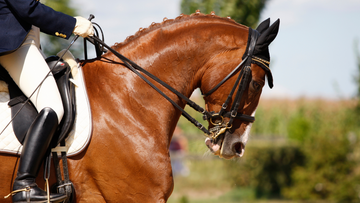
Hyperflexion in horses refers to a controversial training technique that places a horse's neck in an unnatural, tightly flexed position, with the chin close to the chest. This technique, also known as Rollkur, has garnered significant attention from equine professionals, animal welfare advocates, and equestrians around the world. Many argue that hyperflexion can cause both physical and emotional distress to the horse, while others advocate its use for improving performance and control.
To better understand the implications of hyperflexion, it is essential to examine its origins, practices, and potential effects on equine wellbeing. Developed as a training method in dressage, hyperflexion gained popularity in the 1980s and 1990s. It was thought to help increase a horse's submission to the rider and create a more aesthetically pleasing posture in competitive settings. However, concerns about the long-term impact on a horse's physical health and mental state have led to extensive debate within the equestrian community.
Current research on hyperflexion explores a wide range of perspectives, providing insights into anatomical issues, performance outcomes, and welfare considerations. These studies allow for a more informed and nuanced assessment of the technique, enabling riders and trainers to make educated decisions regarding its application. Ultimately, the priority must be placed on ethical treatment and the well-being of the horses involved in any training regimen.
Understanding Hyperflexion in Horses
 Hyperflexion is a controversial practice in horse training, which involves placing the horse's head and neck in a highly flexed position. This posture is achieved by applying pressure on the reins and is often sustained for extended periods. Proponents of hyperflexion argue that it helps to increase suppleness and submission in horses, while critics claim that it can lead to long-term physical and psychological issues.
The head and neck positions of a horse in hyperflexion are characterized by the horse's chin being pulled toward its chest. This posture is also referred to as Rollkur or over-bending. In this position, the horse's spine is curved, causing an unnatural flexion of the neck. This can result in a horse's inability to maintain proper balance and potentially lead to injuries, especially in the cervical spine.
While some trainers might argue that using hyperflexion for short periods can help a horse develop softness and adjust to the bit, extended use of this posture has raised concerns among equestrian experts and animal welfare advocates. They argue that long-term hyperflexion can lead to discomfort stress, and potentially damage the respiratory system in horses due to restricted airflow.
How do flexion and bending differ in equestrian sports?
Flexion and bending refer to distinct concepts in equestrian sports. Flexion involves the head and neck positioning in relation to the horse's body, whereas bending describes the lateral curvature of the horse's spine. While flexion primarily concerns the vertical plane, bending focuses on the horizontal plane. Both are essential elements of proper equestrian performance, but they should not be confused with one another.
What are the consequences of behind-the-vertical horse posture?
A behind-the-vertical (BTV) horse posture occurs when the horse's head and neck are positioned too far back towards the rider, with the nose behind the vertical line. This position can lead to several issues, such as restricted airflow, limited field of vision, and muscular strain. It may also cause hindrance in the horse's balance and impede its ability to engage its hindquarters effectively.
Hyperflexion and Horse Welfare
Proponents of hyperflexion argue that it can help improve a horse's suppleness and enhance performance in various equestrian disciplines, especially dressage. However, critics believe that extreme flexion can cause unnecessary strain on the neck and spine, potentially leading to long-term physical and emotional damage.
Many welfare organizations express concern over the use of hyperflexion as a training method, citing potential physical consequences such as:
- Musculoskeletal issues resulting from excessive pressure on the joints, ligaments, and muscles
- Impeded respiratory function due to the restrictive positioning of the neck and windpipe
- Possible discomfort and pain from strained and overworked muscles
Furthermore, it is suggested that mental stress may also arise in horses subjected to hyperflexion. A horse's body language, such as tension in the neck and head, can indicate anxiety and distress. The horse may also display resistance to the procedure, which can manifest through evasion, reluctance to move forward, or even aggression. This indicates that hyperflexion can have a negative impact on the horse's mental well-being.
Clinical Presentation of Hyperflexion
Pain is a common symptom in horses experiencing hyperflexion. The unnatural bending and stretching of the neck and spine can result in increased pressure on joints and muscles, which may cause localized pain or discomfort.
Movement characteristics are often altered in horses with hyperflexion. The unnatural neck position may cause horses to adopt compensatory movement patterns to alleviate stress on the affected areas. This could result in atypical head carriage, reduced range of motion, and decreased willingness to perform specific tasks.
Dyskinesia, or abnormal involuntary movements, may also be observed in horses with hyperflexion. These movements can appear as spasmodic contractions, tremors, or twisting motions, which can further impact the horse's overall movement and performance.
Lameness is another possible clinical sign related to hyperflexion in horses. The compensatory movement patterns and muscle imbalances created by the unnatural neck position can lead to uneven weight distribution and strain on the limbs, resulting in lameness.
Neurologic issues may arise in severe cases of hyperflexion or when the condition is left untreated for an extended period. Compression or damage to the spinal cord can lead to neurologic symptoms such as ataxia, weakness, or even paralysis.
Can long-term hyperflexion cause damage to a horse's neck?
Long-term use of hyperflexion can potentially lead to detrimental consequences for the horse's neck. Excessive pulling and force applied on the head and neck over extended periods may result in chronic pain and joint strain, potentially causing injury to the horse's cervical vertebrae and associated soft tissues. As always, it is essential to prioritize horse welfare and use training techniques that promote their well-being.
Treatment and Management
Treatment and management of hyperflexion in horses depend on the severity of the condition and the underlying cause. One of the primary treatments involves incorporating exercises into the horse's training routine that promote relaxation and proper head and neck carriage.
Incorporating new training techniques is essential to managing hyperflexion in horses. A focus on promoting a healthy posture by encouraging the horse to stretch forward and down while remaining balanced and engaged will improve their long-term physical well-being. It may be beneficial to consult with a certified equine rehabilitation therapist or a knowledgeable trainer to help design a customized training program specific to the horse's needs.
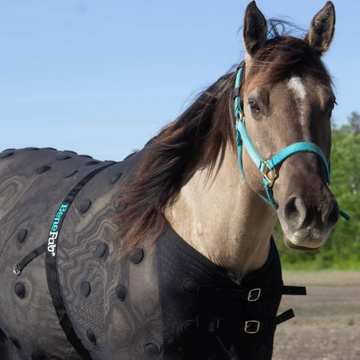
Incorporating the Benefab Smart Poll Pad and SmartHood into your horse’s daily routine and see a difference in their overall well-being and recovery!
Proper management of hyperflexion requires regular monitoring of the horse's progress through observation and palpation of their neck and back muscles. Adjustments to their training and treatment plan should be made based on the horse's response to the interventions, ensuring that the horse remains comfortable and pain-free throughout the process.