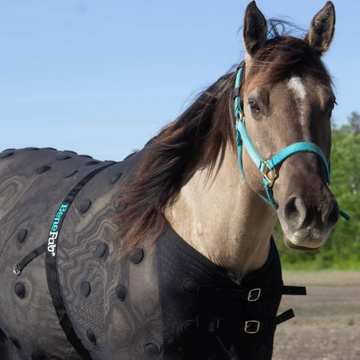


 Many of us want to ride and keep our horses exercised. However, a thick winter coat makes cleaning and grooming much more difficult. Following exercise, horses need to be thoroughly cleaned to remove any residual dirt and sweat. Unfortunately, it’s often too cold out to wash them. If we do wash them, it takes an eternity for them to dry and we don’t want them to get a chill.
We thought we’d bring you some tips on how to manage your horse’s winter coat this year.
Many of us want to ride and keep our horses exercised. However, a thick winter coat makes cleaning and grooming much more difficult. Following exercise, horses need to be thoroughly cleaned to remove any residual dirt and sweat. Unfortunately, it’s often too cold out to wash them. If we do wash them, it takes an eternity for them to dry and we don’t want them to get a chill.
We thought we’d bring you some tips on how to manage your horse’s winter coat this year.
Blog
Managing Your Horse's Winter Coat

Even in warmer areas, horses grow some sort of winter coat. Its natural for horses to grow thicker coats when the days get shorter and cooler. Nature protects them from elements, usually with a coat to match the climate. Extra hair keeps them safe and warm during these colder months. Even though the temperatures are cooler, horses at times sweat more than they do during the warmer months because their coats are thicker. They continue to sweat after exercise because that thick hair, which is designed to keep them warm, retains more heat. Therefore, they don’t cool down as quickly.
Many of us want to ride and keep our horses exercised. However, a thick winter coat makes cleaning and grooming much more difficult. Following exercise, horses need to be thoroughly cleaned to remove any residual dirt and sweat. Unfortunately, it’s often too cold out to wash them. If we do wash them, it takes an eternity for them to dry and we don’t want them to get a chill.
We thought we’d bring you some tips on how to manage your horse’s winter coat this year.
Many of us want to ride and keep our horses exercised. However, a thick winter coat makes cleaning and grooming much more difficult. Following exercise, horses need to be thoroughly cleaned to remove any residual dirt and sweat. Unfortunately, it’s often too cold out to wash them. If we do wash them, it takes an eternity for them to dry and we don’t want them to get a chill.
We thought we’d bring you some tips on how to manage your horse’s winter coat this year.
Related Articles

Feeding a Show Heifer
Raising a competitive show heifer takes more than just good genetics and steady training. Feeding...
Read more
Natural Remedies for Canine UTIs
If your dog suddenly needs more walks, has accidents in the house, or seems uncomfortable...
Read more
What is a Cold Back Horse?
A cold back horse often shows discomfort when pressure is applied to its back, particularly...
Read more
The Benefits of Bentonite Clay for Dogs
We all want our dogs to be happy and healthy, so it makes sense to...
Read more