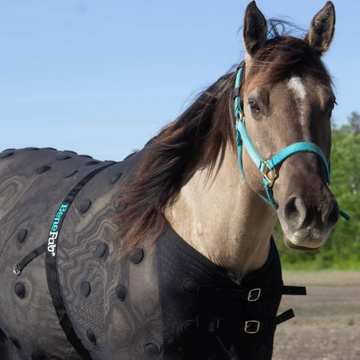




Polysaccharide Storage Myopathy (PSSM) is an inherited muscle disorder in horses characterized by the abnormal accumulation of glycogen and polysaccharides in muscle tissue. Although it can affect all breeds, it is most common in Draft Horses, Warmbloods, and American Quarter Horses.
PSSM is categorized into two types:
-
Type 1 PSSM: Caused by a genetic mutation in the GYS1 gene, leading to excessive glycogen storage in muscles. This type has been identified in over 20 horse breeds. The Minnesota Veterinary Diagnostic Lab can test for this gene.
-
Type 2 PSSM: Occurs in horses without the GYS1 mutation and is more commonly seen in Dutch Warmbloods, Swedish Warmbloods, Hanovarians, Friesians, Selle Francais, Westfalian, Canadian Warmbloods, Irish Sport Horses, Gerdlander, Hussien, Icelandic Horses, and higher level performance horses. The exact cause of Type 2 PSSM is unknown and still being researched. Currently, about 28% of PSSM cases are diagnosed as Type 2 PSSM.
Symptoms of PSSM

Symptoms of PSSM will vary slightly based on the horse and type of PSSM. Quarter Horses are prone to gait abnormalities, sore muscles, and low energy, while Warmbloods have painful back and hindquarters, reluctance to collect, gait abnormalities, and atrophy.
-
Muscle stiffness
-
Sweating
-
Reluctance to move
-
Muscle tremors
-
Tucked-up abdomen
-
Poor attitude
-
Chronic back pain
PSSM episodes often happen after light exercise, such as 10-20 minutes of walking or trotting. Some horses with PSSM will show symptoms even without exercise. While clinical signs are evident, most veterinarians will recommend genetic testing to make a definitive diagnosis.
Ongoing Research into PSSM
A definitive cause of Type 2 PSSM is still being researched at numerous universities and associations, including the Kentucky Equine Research Association. Continued testing and research into this disorder is critical in helping horse owners and caretakers effectively manage and reduce symptoms.
Managing PSSM
There is no cure for PSSM, but it can be managed with dietary changes and regular exercise. Roughly 50% of horses with PSSM Type 1 show improvement through these changes, according to a study by U.C. Davis. Combining dietary and exercise changes enables some horses to live relatively symptom-free. It is important to create a plan for your horse with your veterinarian.
Most horses benefit from a diet low in starch (avoiding sweet feed, wheat, oats, barley, and molasses) as these can aggravate symptoms. Many horses with PSSM are “easy keepers.” Grazing muzzles can be used to help reduce grass intake. For performance horses or horses that require a higher caloric intake, additional calories can be given through fats or oils. This can be important for performance horses prone to PSSM. Consistent exercise helps improve energy metabolism and glucose utilization, which reduces symptoms.
In addition to these management practices, supportive therapies can aid in alleviating muscle stiffness and joint soreness. Benefab® offers products designed to promote blood circulation and reduce discomfort in horses. The Rejuvenate SmartScrim features 90 magnets placed over key acupuncture points to stimulate targeted areas, harmonizing bodily functions and promoting recovery. Incorporating these life cycle changes and products into your horse's care routine may provide additional support in managing PSSM symptoms.