1-855-957-8378
Benefab®
Cart 0
  • Home
  • Shop

    Horse Products 18

    People Products 7

    Dog Products 5

    Bundles 5

  • Press
  • Blog
  • Pre-Loved
  • Dealers
  • Wishlist
  • Account
My Account
Log in Register
Australia (AUD $)
Belgium (EUR €)
Canada (CAD $)
Costa Rica (CRC ₡)
Czechia (CZK Kč)
France (EUR €)
Germany (EUR €)
Italy (EUR €)
Japan (JPY ¥)
New Zealand (NZD $)
United Kingdom (GBP £)
United States (USD $)
English
Benefab®
  • Shop

    Horse Products 18

    People Products 7

    Dog Products 5

    Bundles 5

  • Press
  • Blog
  • Pre-Loved
  • Dealers
Account Wishlist Cart 0

Search our store

Benefab®
Account Wishlist Cart 0
Home / Blog
Blog

Tips for Managing Your Horse's Winter Coat

Oct 05, 2018
Tips for Managing Your Horse's Winter Coat
We all know it’s natural for horses to grow thicker coats when the days get shorter and cooler. Extra hair keeps them safe and warm during the winter months. Many of us want to ride and keep our horses exercised, but a thick winter coat makes cleaning into a hassle. Earlier on in the fall season, when temperatures fluctuate while winter settles in, some horses will sweat more than during the warmer months due to their coat being too thick for current conditions. As colder temperatures occur more frequently, sweating will decrease as the longer hair is more adequate at this time. Nonetheless, we’re just hitting that stage of difficult hair length and lots of sweat, so we thought we’d bring you some tips on how to manage your horse’s winter coat this year. Check them out below!

Daily Currying and Brushing:

Daily currying and brushing will do wonders for reducing grime that builds up in your horse’s coat. The curry comb works to lift dust and dirt so you can brush it away with a hard or soft brush after. It also stimulates the skin, which improves circulation, too.

Clipping:

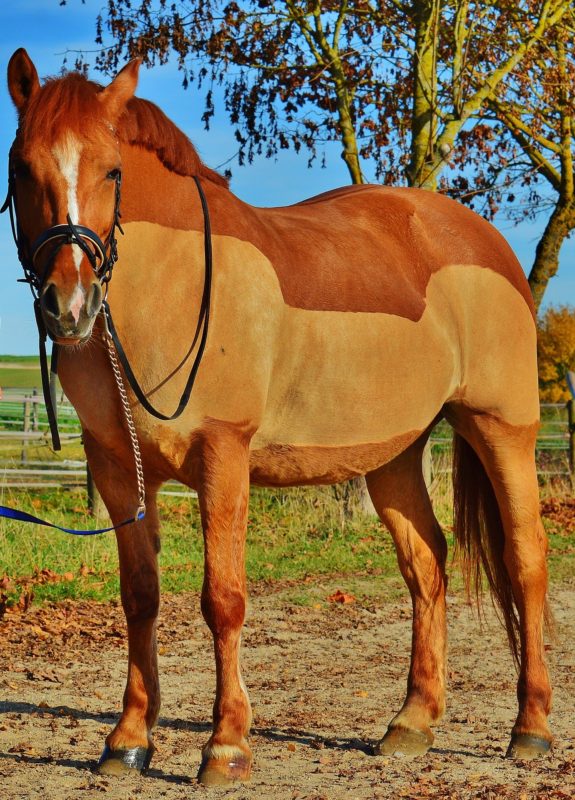
Depending on your riding habits, you may want to consider clipping your horse. A complete body clip is generally done if you are showing your horse indoors, and a trace clip or hunter clip for if you want your horse to have a bit of a winter coat for warmth, but also be able cool down faster after a rigorous ride. It is recommended that you get the appropriate blanket for your horse if it has any type of clip.

Vacuum:

Get acquainted with a vacuum for horses. After a thorough curry comb session, use a vacuum to get all of the dirt and grime pulled away from your horse. No amount of flicking a brush can compare to using a vacuum, but not all horses will tolerate this. Tip: Be careful and research proper techniques for vacuuming your horse ahead of time!

Spot Cleaning:

If you noticed your horse’s coat gathering dust, you can always use warm water to give a quick sponge bath. Good diet and overall health (including regular exercise) creates a coat that is easy to clean.

For tidier tails:

If your horse goes into winter with a clean tail, you can help keep it that way by using a commercial tail bag. You can also protect it with a braid: divide the hair into three sections, wrap each in a long, narrow strip of torn bed sheet, and then braid the sections together. At the end of the tail, continue braiding the remaining sheets for a few inches, then tie them off in a knot.

Shedding blade:

Using a shedding blade a few times a week helps to thin out a very thick coat!

Dry shampoos:

You’ve used dry shampoo for your hair, right? Well now there’s also a few pH-balanced easy-use shampoos available for your horse, too. Many are not really “dry,” but they use a spray that sprays on and wipes off easy with a clean towel. To spot clean your horse with a true dry shampoo, simply rub an organic baby powder into the skin, and then brush or rub away; it will pull the dirt and oil off and make the coat easier to groom.

Trimming:

The fetlocks may trap and accumulate dirt while spending time outdoors. Keeping the fur and hair on the fetlocks trimmed or clipped will keep these areas clean and help reduce the chance of scratches. Scratches (also known as greasy heel or pastern dermatitis, click here to read our feature on Scratches) develops from a combination of wet mud and dry dirt coupled with bacteria, a fungus, or parasites. Keeping your horse’s fetlocks clean and dry significantly reduces the possibility of this condition that can take months to cure. Watch the Vlog below!

Previous
Winter Barn Prep
Next
Equine Dental Care: The Need-to-Know

Related Articles

How to Keep Show Cattle Calm and Stress-Free
March 30, 2026

How to Keep Show Cattle Calm and Stress-Free

Keeping show cattle calm isn’t just about good behavior in the ring—it directly affects health,...
Read more
Toad Poisoning in Dogs
March 23, 2026

Toad Poisoning in Dogs

Toad poisoning in dogs can happen quickly if they lick or mouth a toxic toad....
Read more
Cushing’s in Horses: How it’s Treated and Managed
March 16, 2026

Cushing’s in Horses: How it’s Treated and Managed

Cushing’s Disease, also known as PPID, is a common hormonal disorder in older horses. While...
Read more
What Does a Warm-up Cough Mean for Your Older Horse?
March 09, 2026

What Does a Warm-up Cough Mean for Your Older Horse?

It’s common for older horses to cough once or twice at the beginning of a...
Read more

Recent Posts

How to Keep Show Cattle Calm and Stress-Free
Toad Poisoning in Dogs
Cushing’s in Horses: How it’s Treated and Managed
What Does a Warm-up Cough Mean for Your Older Horse?
Dog Colic: Symptoms, Causes, and When to Call a Vet
Manure Management: Comprehensive Guide to Cleaning Your Horse Property
Bot Fly Larvae in Horse Manure: What to do now
Canine Hydrotherapy For Dogs
Common Injuries in Show Cattle: Prevention and Treatment
Why Your Dog Keeps Sneezing (and Easy Home Remedies That Help)

Focused &
Durable Designs

Products made specifically for you and your pets.

Free U.S. Shippingon All Orders over $200

We have you covered.

We Back Our
Products 100%

It's our customer promise.

BRAND PARTNERS

  • Become a Dealer
  • Become an Affiliate
  • Become a Registered Nonprofit
  • Logins for Dealer
  • Logins for Affiliate
  • Affiliate Resources
  • Meet our Ambassadors

CUSTOMER SERVICE

  • Contact
  • Shipping
  • Privacy Policy
  • Terms of Service
  • Money Back Guarantee
  • Warranty & Return Policy
  • Medical / Brand Disclaimer
  • FAQs

ABOUT BENEFAB

  • Why Choose Benefab?
  • The Benefab Story
  • Parables Podcast
  • Our Sister Brands
  • Media Inquiries
  • Blog
© 2013 -2025 Benefab®. Property of the Naar Boven Corporation. All rights reserved.
Payment options:
  • American Express
  • Apple Pay
  • Bancontact
  • Diners Club
  • Discover
  • Google Pay
  • Mastercard
  • PayPal
  • Shop Pay
  • Visa

Confirm your age

Are you 18 years old or older?

Come back when you're older

Sorry, the content of this store can't be seen by a younger audience. Come back when you're older.