
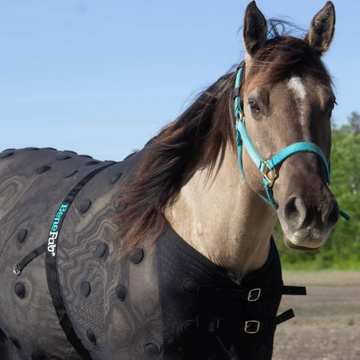





Keeping a horse property clean and healthy starts with a good plan for manure. As the weather warms up, it’s the perfect time for a fresh start on the farm. Managing horse waste is about more than just a clean barn; it helps stop flies, prevents parasites, and keeps your grass growing green. In this guide, we will look at simple ways to handle manure, from clearing out winter buildup and starting a compost pile to rotating your pastures. By following a few easy steps this spring, you can keep your horses healthy and your property organized for the busy months ahead.
Spring Thinking: A Fresh Start for Your Farm
Spring is just around the corner, and it’s not just the grass that’s waking up, your horses and your barn are ready for a fresh start, too! The season brings longer days, greener pastures, and the perfect opportunity to reset routines after winter. But with this fresh start comes plenty to plan from managing manure and preparing pastures, to checking fences, organizing tack, and making sure your horses are healthy and ready for turnout.
Thoughtful spring planning can prevent problems later, protect your property, and ensure your horses thrive as the weather warms. We’ll walk through the essential steps for a successful spring: managing manure, seasonal planning, barn and tack maintenance, horse health and wellness, and pasture and property prep, everything you need to make this spring safe, organized and productive.
Effective Ways to Manage Horse Manure
With horses comes lots of manure. Manure can be quite a hassle if you do not have a good plan for it. Winter often means less turnout and more concentrated manure. In spring, managing manure is key to pasture health and parasite control. A few ways to accomplish this are listed below.
-
Composting and fertilizing
-
Spring composting: Early Spring is ideal for starting a compost pile with winter manure. Turning and aerating piles now accelerate decomposition before the growing season.
-
Fertilizer timing: Only spread fully composted manure on pastures; spring is a great time to enrich soil for new grass growth without spreading pathogens.
-
Preparing pastures
-
Spot cleaning: Pick manure from pastures at least weekly once turnout increases. This reduces parasite eggs that can infect grazing horses.
-
Pasture rotation: Avoid grazing horses on heavily soiled areas. Rotate them as grass growth begins to protect both pasture and horse health.
-
Clearing winter buildup
-
Stalls and paddocks: After winter, stalls and paddocks often have accumulated manure and bedding. Deep clean before spring turnout to prevent parasite buildup.
-
Manure storage: Remove winter piles from paddocks and keep them in a designated compost or storage area away from water sources.
-
Fly and parasite control
-
Early intervention: As temperatures rise, flies and parasites become active. Prompt manure removal and composting reduce breeding grounds.
-
Integrated approach: Combine cleaning, rotation, and pasture maintenance with your spring deworming plan to break parasite cycles effectively.
Seasonal Planning
Spring is the perfect time to review your horse care schedule:
-
Schedule vaccinations, dental check-ups, and deworming based on vet recommendations.
-
Plan gradual changes in diet, turnout, and exercise to prevent colic or laminitis.
-
Set fitness and training goals for the coming months, building on your horse’s winter condition.
Barn and Tack
Your barn and equipment need attention after the winter months:
-
Inspect fencing, gates, and barn structures for damage from snow, ice, or wind.
-
Clean and organize tack, checking for wear and tear; repair or replace as needed.
-
Stock up on spring essentials like fly spray, grooming supplies, and first aid items.
Horse Health and Wellness
Spring is a transition period that affects nutrition, coat, and overall health:
-
Introduce turnout on spring grass gradually to avoid digestive upset.
-
Groom daily to remove winter coats and check for skin issues or injuries.
-
Monitor weight, hydration, and overall condition as pasture quality changes.
Pasture and Property Preparation
Healthy pastures set the foundation for a safe, productive season:
-
Check perimeter, gates, and water sources before full turnout.
-
Assess grass growth and plan grazing rotations to prevent overgrazing.
-
Remove toxic plants and control weeds and repair any erosion or muddy areas.
Managing horses in spring isn’t just about letting them out on the grass—it’s about taking a systematic approach to all aspects of care. From stalls to pastures, tack to turnout, keeping on top of seasonal tasks ensures both your horses and your property start the season in top shape. To make it simple, here’s a week-by-week Spring Horse Management Checklist covering all the key areas: manure management, seasonal planning, barn and tack maintenance, horse health and wellness, and pasture and property prep.
Early Spring
Manure Management:
-
Deep clean stalls and paddocks to remove winter buildup.
-
Relocate winter manure piles to a designated compost/storage area.
-
Inspect compost piles; turn to promote decomposition.
Seasonal Planning:
-
Review vaccination, deworming, and farrier schedules.
-
Assess training/conditioning goals for the season.
Barn & Tack:
-
Inspect barn structures, fencing, and gates for winter damage.
-
Clean and organize tack; check for wear and repair or replace as needed.
-
Stock up on grooming supplies, first aid, and fly control products.
Horse Health & Wellness:
-
Conduct a basic health check: weight, hydration, coat, and limbs.
-
Schedule dental check-ups if needed.
-
Begin easing horses into light turnout and activity.
Pasture & Property Prep:
-
Inspect pastures for debris, rocks, or hazards exposed by thaw.
-
Remove winter debris and check water sources for cleanliness.
-
Start planning pasture rotation to prevent overgrazing.
Mid-Spring
Manure Management:
-
Begin weekly pasture spot-cleaning to reduce parasites.
-
Continue turning compost piles every 1–2 weeks.
-
Keep heavily used areas clean by removing manure regularly
Seasonal Planning:
-
Adjust feed gradually for grazing horses to prevent colic or laminitis.
-
Track progress toward conditioning and training goals.
Barn & Tack:
-
Inspect tack and equipment again; clean and condition leather as needed.
-
Repair any fence or gate issues revealed by increased turnout.
Horse Health & Wellness:
-
Monitor weight and body condition as diet changes.
-
Begin regular grooming to remove winter coats and check skin for irritation or rain rot.
-
Check hooves frequently; schedule farrier visits if needed.
Pasture & Property Prep:
-
Mow or drag pastures lightly if needed to manage old winter growth.
-
Apply well-composted manure to fields if appropriate.
-
Monitor grass growth and adjust grazing rotation accordingly.
Late Spring
Manure Management:
-
Maintain weekly pasture cleaning, especially in high-traffic areas.
-
Ensure compost piles are well-aerated and properly contained to prevent runoff.
-
Continue daily stall cleaning and remove paddock manure regularly.
Seasonal Planning:
-
Review seasonal health and conditioning plans; adjust as necessary.
-
Plan summer turnout routines, including shade and water access.
Barn & Tack:
-
Deep clean barn if needed; ensure proper ventilation for warmer months.
-
Organize fly control supplies and tack for easy access.
-
Check water buckets and troughs for cleanliness.
Horse Health & Wellness:
-
Monitor for signs of seasonal allergies, skin irritation, or lameness.
-
Increase exercise gradually to match warmer weather and improve footing.
-
Begin preventive fly management (sprays, masks, or traps).
Pasture & Property Prep:
-
Maintain fencing, gates, and water systems for full-season turnout.
-
Continue pasture rotation to prevent overgrazing and soil compaction.
-
Remove toxic plants and control weeds to support healthy pasture growth.
Staying on top of manure, pasture prep, barn and tack care, seasonal planning, and overall horse health might feel like a lot, but tackling it step by step makes a huge difference. A well-organized spring keeps your horses happy, your pastures thriving, and your barns running smoothly—so you can spend less time worrying and more time enjoying the sunshine, green grass, and all the energy that comes with the season.
As the new season brings perfect days for riding and time with your horse, make Benefab part of your pre warm-up and post-ride routine. Our wide range of products supports your horse from poll to pastern. Explore our horse products here.


