
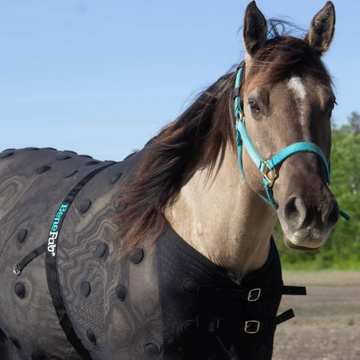




Many horse owners notice that an older horse may cough once or twice when exercise first begins. For the most part, this doesn’t cause harm, but it often sparks the question: Why does my horse cough during warm-up, but seems fine after that?
In many cases, this is nothing to worry about. What you are witnessing is often referred to as a “warm-up cough”—a relatively common occurrence, especially in older horses. Let’s take a closer look at why it happens and when you should be concerned.
Why Warm-up Cough Happens
A warmup cough typically occurs at the beginning of exercise and usually disappears as your horse continues to work. It is often triggered by irritation in the airways, caused by:
-
Dust or mold (usually from hay or bedding)
-
Pollen or other environmental allergens
-
Cold and/or dry air
-
A mild build-up of mucus within the respiratory tract
The mechanism behind a cough is quite fascinating. It’s the body’s way of clearing irritants from the lungs and airways.
Here’s how it happens step by step:
-
Inhalation: the horse breathes in, drawing air and potentially irritants into the lungs.
-
Larynx Closure: the larynx (voice box) closes, trapping air inside the respiratory tract.
-
Muscle Contraction: muscles in the abdomen contract, increasing pressure in the lungs.
-
Pressure Build-up: the trapped air pressure pushes against the lungs and airways.
-
Larynx reopens: the larynx suddenly opens, releasing the pressurized air.
-
Air Expulsion: the rush of air carries irritants or mucus out of the lungs, producing the cough.
This is essentially your horse’s way of clearing the airways before moving into deeper breathing and more demanding exercise. Older horses may have reduced airway elasticity or produce more mucus, which can make these early coughs more noticeable.
Why Older Horses Are More Prone to Warm-Up Coughs
As horses age, their respiratory system naturally undergoes changes:
-
Reduced lung elasticity—this can make deep, efficient breathing slightly more difficult for older horses
-
Weaker airway support muscles—decreased strength in the muscles around the trachea may cause mild, temporary irritation during exercise.
-
Increased mucus production—some older horses naturally produce more mucus, which needs to be cleared when exercise begins.
Together these factors can make older horses more likely to cough briefly at the start of a ride, even when they are otherwise healthy.
Role of Fitness and Conditioning
Fitness level can also influence whether a warm-up cough is noticeable. Horses returning to work after time off, or with lower overall fitness, may be more likely to cough briefly as their respiratory system adjusts to increased demand. This does not necessarily indicate disease, but rather a need for gradual conditioning.
Introducing exercise slowly and increasing the workload over time allows the lungs and supporting muscles to adapt more comfortably. Older horses in particular benefit from consistent, moderate exercise rather than long periods of inactivity followed by intense work. Maintaining regular fitness can help reduce mucus accumulation and improve overall respiratory efficiency.
When to Worry
Occasional coughing at the start of exercise is often harmless. That said, veterinary advice is recommended if you observe one or more of the following.
-
Ongoing coughing during exercise
-
Thick or colored nasal discharge
-
Noisy or labored breathing
-
Reduced willingness to perform
-
Fever, weight loss, or low energy
These signs may suggest airway inflammation, infection, or another respiratory condition rather than a simple warm-up cough.
Management and Prevention Tips
-
Environmental Management
-
Reduce dust by soaking or steaming hay and spray down arena footing to minimize dust exposure.
-
Avoid dusty bedding where possible.
-
Maintain good stable ventilation by keeping the horse near an open window or door and maximize turn-out time.
-
Stress can worsen respiratory conditions, making a calm and consistent environment important. Minimizing changes to routine and providing a quiet, low-stress living setting can help respiratory health.
-
Exercise Management
-
Start sessions with a gentle warm-up to help the lungs adjust.
-
Monitor breathing closely during the first 10-15 minutes.
-
Veterinary Care
-
Schedule routine check-ups for older horses.
-
Persistent coughing may require diagnostic testing (airway endoscopy or tracheal wash).
-
A vet should rule out serious conditions like Equine Asthma/COPD or heart issues.
-
Using an ultrasonic or compressor nebulizer with saline or medication can help directly treat the lower airways.
In some cases, supplements may be beneficial. Those that are designed to help reduce airway inflammation, support immune function, and promote overall lung efficiency may be helpful in specific cases.
Types of Respiratory Supplements
-
Herbal Supplements: Formulations with herbs such as eucalyptus, peppermint, and garlic may help open airways and decrease mucus buildup.
-
Immune Support: Supplements aimed at strengthening the immune system can assist older horses in more effectively resisting infections.
-
Natural Anti-Inflammatories: Ingredients with anti-inflammatory properties can help reduce swelling in the airways, making breathing easier and more comfortable.
It’s always important to follow the manufacturers’ guidelines and consult a vet to ensure the correct dosage is suitable for your horse.
A brief cough during warm-up in an older horse is often harmless and commonly reflects a normal response to exercise or minor airway irritation. Understanding how coughing occurs, along with the changes that take place in the aging respiratory system, can help reassure you that a short cough at the beginning of a ride is not usually a cause for concern. However, ongoing or worsening signs should never be overlooked. Early assessment by a veterinarian can play an important role in preserving your horse’s comfort and performance.


