




If you love horses, you’ve probably heard of Cushing’s Disease, also known as Pituitary Pars Intermedia Dysfunction (PPID). It’s a common hormonal condition in older horses, and while it can’t be cured, the good news is that with the right care, horses with Cushing’s can live happy, comfortable lives. In this blog, we’ll break down what Cushing’s Disease looks like, the signs to watch for, and practical ways to help a horse diagnosed with it.
Cushing’s Disease in horses begins in the pituitary gland, a small gland at the base of the brain. When it becomes overactive, it produces too much ACTH (Adrenocorticotropic hormone), which raises cortisol—a stress hormone that can affect many parts of the body. The pituitary gland is responsible for regulating several key hormones that control metabolism, stress response, immune function, and overall body balance.
While any horse can get Cushing’s, it’s most common in horses and ponies over 15 years old and certain breeds may be more likely to develop it. Because the onset is slow, early signs are often subtle and may be mistaken for normal aging.
Signs and Symptoms of Cushing’s Disease
Horses with Cushing’s Disease can show a variety of signs, such as:
-
Long, Curly Coat: Their coat may become thick, curly, or fail to shed properly—even in warm weather.
-
Lethargy or Muscle Loss: These horses might seem tired or sluggish and may lose muscle along their back and hindquarters.
-
Increased Drinking and Urination: They may drink more water and urinate more frequently than usual.
-
Laminitis: A painful hoof condition that is common in horses with Cushing’s.
-
Potbelly: Muscle loss combined with fat redistribution can give the horse a rounded belly.
-
Frequent Infections: A weakened immune system can make them more prone to infections. Horses with PPID may develop thin or fragile skin with increased susceptibility to rain rot (or fungal infections).
-
Behavioral changes: Horses may become more lethargic, depressed, or less willing to engage in normal work.
-
Reproductive changes: This is less common, but can still occur. Mares may experience irregular estrous cycles, and breeding performance may decline due to hormonal imbalance.
If you notice any of these signs, contact your veterinarian for proper testing. Diagnosing Cushing’s Disease typically involves blood tests to measure ACTH levels. Since these levels can change with seasons, your vet may want to do several tests to confirm the diagnosis.
Managing Cushing’s Disease in Horses
While there is no cure for Cushing’s Disease, you can manage the symptoms to help your horse stay comfortable and healthy.
-
Medication: The most commonly used treatment is Prascend, which helps regulate hormone levels.
-
Diet Management: Feed a low-sugar, low-starch diet to reduce the risk of hoof problems. High-quality hay and carefully controlled grain portions are important. Avoid sweet feeds, molasses, and high-starch concentrates.
-
Regular Farrier and Vet Care: Because laminitis is a major concern, frequent farrier visits are essential. Routine veterinary checkups also help monitor the condition.
-
Body Clipping and Grooming: Regular clipping can make life easier for horses that have trouble shedding their coat.
-
Supplements: Nutritional supplements, especially those rich in omega-3s and antioxidants, can support overall health.
-
Blanketing: In the cold months, blanketing may be necessary for horses with a long, but thin coat. It may also help conserve energy and maintain body condition.
What to watch for day-to-day:
-
Changes in water intake
-
Appetite fluctuations
-
Coat changes
-
Hoof heat or digital pulses
Additionally, exercise and daily routine also play an important role in managing Cushing’s Disease. When a horse is sound and comfortable, light to moderate exercise can help maintain muscle tone, support joint health, and improve insulin sensitivity. Even regular hand-walking or turnout in a safe, controlled environment can provide both physical and mental benefits. It’s important to adjust activity levels based on your horse’s age, soundness, and any history of laminitis. As always, consult your veterinarian if you’re unsure what level of exercise is appropriate.
Because Cushing’s Disease can weaken the immune system, routine health care becomes even more important. Keeping up with vaccinations, dental care, and parasite control helps reduce the risk of infections and supports overall well-being.
A diagnosis of Cushing’s Disease does not mean a poor quality of life for a horse. With attentive management, proper medication, and a consistent care routine, many horses continue to live active, comfortable lives well into their senior years. Early detection, regular veterinary care, and thoughtful daily care are the keys to success.
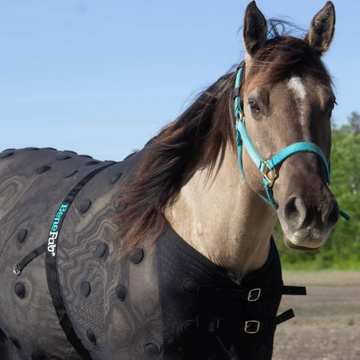
Although the Benefab® Rejuvenate SmartScrim is not a cure for Cushing’s Disease itself, it can be used as a supportive tool to promote muscle comfort and overall relaxation. Horses with PPID often experience stiffness, soreness, or muscle loss due to age, reduced activity, or changes in body condition. Read more about it here.


