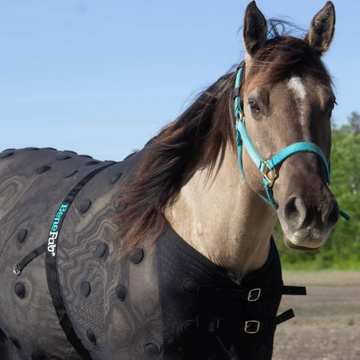



Temporomandibular Joint (TMJ) and Muscle Disorder is a condition that brings discomfort to the jaw joint and the muscles that control jaw movement. Horses have two TMJs, one on each side of the head. These joints power chewing. The TMJ is a hardworking joint in an equine’s body, and when it is misaligned or stressed by imbalanced soft tissue, it can create subtle or obvious signs of pain.
What Causes TMJ Dysfunction in Horses?

TMJ issues often start with uneven teeth. Without proper floating by a vet or certified equine dentist, the jaw must compensate, which places strain on the joint(s). Other factors like feeding from raised hay racks, use of harsh bits, or restrictive nosebands can exacerbate the problem. Poor jaw alignment, repetitive pressure from tack, and lack of grazing all wear down teeth and put stress on the joints.
Regular dental exams and dental work can help reduce the risk of TMJ issues in some horses. If the horse has poor jaw alignment, this is even more important, as they are at a higher risk of having jaw issues.
Common Signs Your Horse May Have TMJ Issues
The first signs of TMJ issues are similar to those of many common dental problems. You may notice balled feed on the ground after feeding time, as well as tossing their head, ear sensitivity, or weight loss. Some horses will even develop new behaviors like cribbing and suddenly becoming head-shy. Refusing the bit or not giving to bit pressure can be another indicator that something is wrong with their teeth or TMJ joints.
How to Treat and Support TMJ Health
When you suspect TMJ issues, schedule a dental exam with your veterinarian or a certified equine dentist. They will check for uneven wear and any other dental problems that could be causing or contributing to joint issues. Soft tissue treatments such as massage, acupressure, acupuncture, craniosacral, or myofascial work all offer relief.
These therapies relax muscles around the joint, ligaments, and tendons, easing stiffness and restoring motion. Benefab’s Smart Therapeutic Poll Pad uses far‑infrared emitting minerals to boost circulation in the poll and upper neck area. It contains magnets placed over key acupressure points near the TMJ. This creates a calming effect and can relieve tension, which encourages softness and acceptance of the bit. When jaw tension is eased, most horses will move more freely and relax under contact.
Long-Term Support
Helping a horse long‑term with TMJ sensitivity means staying consistent with supportive therapies. Regular dental checks, careful tack fitting, and monitoring how your horse responds to the bit and poll are very important. Providing downtime, varied feeding height, routine bodywork, and gentle warm‑up allows muscles to stay supple. Watch for any changes in behavior or indicators of pain in the jaw. This might be an indicator of a flare-up and may need to be addressed.
With the proper support, most horses respond well to TMJ treatments. By integrating routine dental care, thoughtful tack choices, and natural soft tissue therapies, your horse can maintain comfort, responsiveness, and the soft, flexible frame you want under saddle.