 Shipping is paused Oct. 12–16, so orders may see a small delay. | Free Shipping on All US Orders Over $99


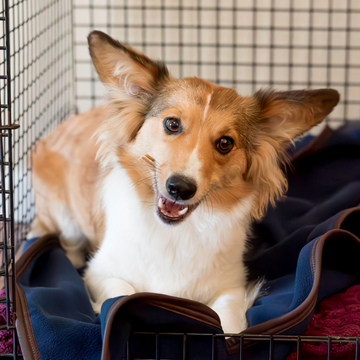



When your dog isn’t acting like themselves, it’s natural to feel concerned. A fever can leave your dog feeling tired, uncomfortable, and out of sorts. Since they can’t tell you what’s wrong, it can be difficult to know exactly how they’re feeling or what they need.
A fever isn’t a disease; it’s your dog’s body responding to an infection, inflammation, or another underlying health issue. While some mild cases can be managed at home as you monitor your pet, it’s important to know when home care is appropriate and when a trip to the veterinarian shouldn’t wait.
What Is Considered a Fever in Dog’s
Dogs have a naturally higher body temperature than humans. A healthy dog’s normal temperature ranges between 101° F and 102.5° F. Anything above 103° F is generally considered a fever, while temperatures reaching 106° F are a medical emergency that can quickly become life-threatening.
The most reliable way to check your dog’s temperature is with a digital rectal thermometer made for pets (or one dedicated solely for animal use).
Signs Your Dog May Have a Fever
-
Loss of appetite
-
Lethargy or unusual tiredness
-
Warm ears or nose
-
Shivering
-
Drinking less water
-
Red or glassy eyes
-
Rapid breathing
-
Hiding or avoiding interaction
-
Diarrhea or vomiting
-
Panting for no reason
If your dog has a mild fever but is alert, breathing normally, and not showing severe symptoms, you can provide care while closely monitoring them.
-
Encourage Hydration. Fever increases the risk of dehydration. Make sure fresh, clean water is always available. If your dog isn’t interested in drinking, try:
-
Adding a little low-sodium chicken broth to water.
-
Offering ice cubes to lick
-
Offering wet food if they normally eat dry kibble
-
Keep them Comfortable. Create a quiet, cool place where they can rest without being disturbed. Avoid strenuous activity until they’re feeling better. If the room feels warm, use a fan or air conditioning to help maintain a comfortable temperature.
-
Use Cool (Not Cold) Towels. If your dog’s temperature is only mildly elevated, gently place cool, damp towels on areas such as:
-
Paw pads
-
Belly
-
Groin
-
Monitor Their Temperature. Check their temperature every few hours if possible. If it continues rising or doesn’t improve within a day, contact your veterinarian for advice.
Do NOT Give Dog’s OTC Medicine
Most over-the-counter (OTC) medications made for people are not safe for dogs, and even those that can be used require carefully calculated doses based on your dog’s size, weight, and overall health. Never give your dog human medication unless your veterinarian has specifically instructed you to do so.
Common medications that can be harmful to dogs include acetaminophen (Tylenol), ibuprofen (Advil or Motrin), naproxen (Aleve), aspirin, certain antihistamines, and some eye drops or topical creams. Even medications that seem harmless can cause serious side effects or toxicity in pets.
When to Call Your Veterinarian
Seek veterinary care right away if your dog:
-
Has a temperature above 104° F
-
Has a fever lasting longer than 24 hours
-
Refuses to eat or drink
-
Has repeated vomiting or diarrhea
-
Has difficulty breathing
-
Experiences seizures
-
Appears confused or collapses
-
Has been bitten by a snake, tick, or other animal
-
Recently had surgery or injury
What Causes a Fever in Dogs?
-
Bacterial infections
-
Viral illnesses
-
Tick-borne diseases
-
Urinary tract infections
-
Dental infections
-
Abscesses or wounds
-
Autoimmune conditions
-
Reactions to certain medications or vaccinations
-
Certain cancers
-
Eating or drinking poisonous substances
Natural therapies may support your dog’s overall comfort and recovery, but they should never replace professional veterinary care when a serious illness is suspected. Supportive options such as nutrition, hydration, and stress reduction may help your dog feel more comfortable while recovering.
Seeing your dog develop a fever can be stressful, but staying calm and monitoring their condition carefully is the best first step. Keeping them hydrated, comfortable, and cool can help while you observe their symptoms. If the fever persists, worsens, or is accompanied by severe symptoms, don’t hesitate to contact your veterinarian. Prompt treatment can make all the difference in helping your dog recover safely.


