




Healthy muscles are essential for a horse’s strength, movement, and overall performance. When a horse begins to lose muscle mass, the condition is known as muscle atrophy. Although muscle atrophy itself is not a disease, it is often a sign of an underlying health issue that requires attention. Recognizing the cause early and providing appropriate care can help improve recovery and prevent further muscle loss.
Muscle atrophy refers to the gradual wasting or shrinking of muscle tissue. It may affect a single muscle group or occur throughout the body. Horses experiencing muscle atrophy may appear weaker, have reduced performance, and show visible changes in muscle shape (oftentimes, asymmetrical), particularly around the shoulders, back, neck, and hindquarters.
Common Causes of Muscle Atrophy
-
Lack of Exercise (Disuse Atrophy). The most common cause of muscle loss is reduced activity. Horses recovering from injuries, surgery, or prolonged stall rest often lose muscle because the affected muscles are not being used regularly.
-
Neurological Diseases and Nerve Damage. Neurological disorders can cause muscle atrophy by disrupting the nerve signals between the brain, spinal cord, and muscles. Without normal nerve stimulation, muscles gradually weaken and shrink.
Several neurological conditions can cause muscle atrophy in horses including:
-
Equine Protozoal Myeloencephalitis (EPM): A disease caused by protozoal parasites that damage the brain and spinal cord, resulting in muscle wasting, weakness, poor coordination, and uneven gait.
-
Cervical Vertebral Stenotic Myelopathy (Wobbler Syndrome): Compression of the spinal cord in the neck interferes with nerve signals, causing weakness, incoordination, and muscle loss.
-
Peripheral Nerve Injuries: Trauma, prolonged pressure, or surgical complications can damage individual nerves, leading to localized muscle atrophy in the affected region.
-
Equine Motor Neuron Disease (EMND): A rare neurological disorder often associated with long-term vitamin E deficiency. It causes progressive degeneration of motor neurons, leading to muscle wasting, weakness, trembling, and weight loss.
A veterinary diagnosis is important because neurological disorders can sometimes resemble orthopedic or muscular conditions. A neurological exam, along with blood tests, imaging, cerebrospinal fluid analysis, or other advanced diagnostics, may be required to identify the underlying cause.
-
Poor Nutrition. Muscles require adequate protein, energy, vitamins, and minerals to remain healthy. Diets lacking essential nutrients—especially high-quality protein, vitamin E, or selenium can contribute to muscle loss.
-
Aging. Older horses naturally experience a gradual decline in muscle mass. Proper nutrition and regular exercise can help reduce age-related muscle loss and maintain strength.
-
Chronic Illness. Long-term illnesses, including infections, liver disease, kidney disease, endocrine disorders, or metabolic conditions, can result in weight loss and muscle wasting if left untreated.
-
Trauma and injuries. Pain is one of the leading contributors to muscle atrophy in horses. Following an acute injury, the body naturally reduces muscle activity around the affected area through a protective reflex, limiting movement to promote healing. However, when pain becomes chronic, such as from an ongoing joint or muscle conditions it can permanently alter normal muscle function. Some muscles become underused and gradually weaken, while others compensate by working harder, creating muscle imbalances and further contributing to atrophy.
Treatment for muscle atrophy depends on identifying and addressing the underlying cause.
Common treatment strategies include:
-
Treat the primary condition, whether it be pain, lameness, neurologic, muscle disease, or chronic illness.
-
Provide a balanced diet that’s rich in high-quality forage, adequate protein, essential amino acids, vitamins, and minerals to support muscle repair and growth.
-
Correct nutritional deficiencies, particularly vitamin E or selenium, when confirmed by a veterinarian.
-
Implement a controlled exercise program and safely rebuild muscle strength once the horse is medically stable.
-
Use physical rehabilitation such as stretching exercises, massage therapy, therapeutic exercises, and hydrotherapy when appropriate.
-
Administer medications prescribed by a veterinarian, such as anti-inflammatory drugs, or treatments specific to muscle or neurological disorders.
Recovery time varies depending on the severity of muscle loss and the underlying cause. Horses with disuse atrophy often recover well with rehabilitation, while those with neurological diseases may require long-term management.
Prevention
Although not every case can be prevented, horse owners can significantly reduce the risk of muscle atrophy by following good management practices.
-
Feed a balanced, nutrient-rich diet appropriate for the horse’s age and workload
-
Maintain a consistent exercise and conditioning program
-
Avoid prolonged stall confinement whenever possible
-
Address lameness, injuries, and illnesses quickly
-
Monitor body condition and muscle development regularly
-
Provide routine veterinary and dental care
-
Ensure adequate vitamin E and selenium intake under vet guidance
-
Schedule regular health exams, especially for senior horses and those recovering from illness or injury
Seek veterinary attention if your horse develops:
-
Sudden or rapidly progressing muscle loss
-
Muscle wasting affecting only one side of the body or one limb
-
Weakness, stumbling, or poor coordination
-
Having difficulty standing, turning, or walking
-
Muscle pain or repeated episodes of “tying up”
-
Continued muscle loss despite good nutrition and regular exercise
Muscle atrophy in horses should never be dismissed as a normal part of aging or reduced activity. It is often a sign of an underlying problem ranging from poor nutrition and lack of exercise to muscle disorders and neurological diseases. Early recognition, a thorough veterinary evaluation, and an appropriate treatment plan provide the best opportunity for recovery and help prevent further muscle loss.
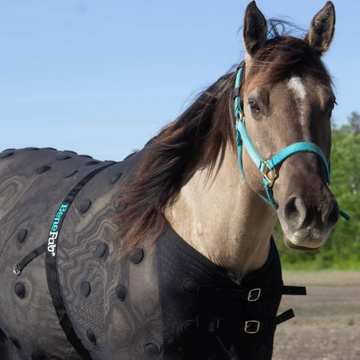
Benefab® products can be incorporated into a horse's recovery program to support circulation, muscle comfort, and healthy tissue recovery. The far-infrared technology is designed to promote circulation and oxygen flow to the tissue, which may help support muscle function and recovery following injury, illness, or periods of reduced activity. Benefab® products should be used in addition to veterinary care, proper nutrition, rehabilitation, and a controlled exercise program. Check out our products here!!


